
Right before a sales call wrapped up recently, a potential client hit me with an unexpected question. She’d been poking around my website and noticed the blog hadn’t been updated in… well, a long time. For a marketing agency, shouldn’t that be a priority? I almost choked on my coffee. It’s the classic gotcha moment that agency owners dread, being called out for not following what most people consider Marketing 101. After an awkward pause and a sip of coffee to buy myself some time, I went with radical honesty: she was right, and there was actually a strategic reason for it. The Content Expectation Game Here’s the thing: marketing agencies are expected to have robust blogs. It’s practically written into the unspoken rules of our industry. Potential clients visit your site expecting to see fresh takes on marketing trends, case studies, and thought leadership pieces published with clockwork regularity. But here’s our uncomfortable truth: this expectation often doesn’t align with what actually drives results, especially for B2B companies like ours. I’ve been too busy generating actual leads and conversions for our clients to create content that, quite frankly, serves more as window dressing than a business driver for our particular model. B2C vs. B2B: Different Games, Different Rules This is where I need to discuss the marketing elephant in the room: B2C and B2B marketing are fundamentally different. For B2C companies, content marketing shines. When you’re selling products directly to consumers, blog posts about “10 Ways Your Blender Can Change Your Life” actually move the needle. Consumers make relatively quick, often emotional purchasing decisions, and great content can genuinely influence those choices. In the B2B world, especially for specialized services like our Website Development, the dynamics shift dramatically. Our potential clients aren’t making impulse purchases after reading a blog post. They’re making rational, considered decisions at the end of lengthy sales cycles, often involving multiple stakeholders. What Actually Works for Us: Human Connection So what’s our strategy instead? We focus on relationship marketing: Targeted cold outreach that establishes personal connections Active LinkedIn engagement and networking High-touch form submission follow-ups Referral cultivation This approach consistently delivers higher conversion rates than blog traffic ever has for our business model. While a consumer might buy a t-shirt after reading a compelling blog post, nobody hires us for Pet Grooming Digital Marketing Services without having several conversations first. When B2B Content Actually Makes Sense This isn’t to say content has no place in B2B marketing. Strategic content pieces can serve specific purposes: Case studies that showcase specific results (which we do create) Technical resources that support the sales process Thought leadership that positions your expertise in specific conversations But there’s a world of difference between these targeted assets and maintaining a regular publishing schedule of general marketing content like “5 Tips for Better Social Media Management.” Our Honest Path Forward After that call, I did some serious thinking about our approach. While I still believe in our relationship-focused strategy, I recognize that some baseline content helps establish credibility. Not to mention it prevents awkward client calls. However, we won’t be jumping on the “three posts a week” bandwagon. Instead, we’ll focus on quality over quantity, creating fewer, more substantial resources that actually serve our prospects and clients rather than just ticking a box. Because at the end of the day, I’d rather spend time helping Veterinarian Digital Marketing Services clients grow than writing articles to make ourselves look impressive. Our business comes from relationships, not blog posts, and I’m okay with admitting that. So thanks, observant client, for that reality check. Next time we grab drinks, the first round’s on me. And I promise by then, we’ll have at least one new blog post up.

Let’s talk about the $10,000 question every practice owner faces: Where should you invest your marketing budget? I know you’re bombarded with sales pitches weekly. The radio rep promises massive reach. The social media “guru” swears TikTok is where it’s at. The billboard company has “special pricing” just for you. Meanwhile, you’re trying to run a practice, treat patients, and manage staff. Who has time to test every marketing channel? Here’s a strategy that’s saved my clients thousands: Stop guessing. Start asking. The Magic Question That Changes Everything Want to know where pet owners in your area actually look for vets? Ask them this simple question: “If you moved here tomorrow and needed a vet, how would you find one?” Not your current clients—they’ve already found you. Ask people at the dog park, pet store, or local events. Anyone with a pet who isn’t already coming to your clinic. When they say, “I’d ask friends and family” (and trust me, many will), they will follow up with, “But what if you just moved here and didn’t know anyone yet?” The Eye-Opening Results I’ve asked this question to hundreds of pet owners across Colorado. Here’s what they tell me: 90% start with a Google search (and 75% of those type “vet near me”) Next, they check your Google reviews to see what other pet owners say Then they visit your website to look at photos and get a feel for your practice About 5-10% mention Yelp, Nextdoor, or Local Facebook Groups (mostly “Moms of Location Pages”) or other directories What almost never comes up? Billboards. Radio ads. Social media campaigns. Those fancy marketing channels the salespeople push? Pet owners rarely mention them. Even more interesting: When someone does get a referral from a friend, they still go online to check you out. They read your reviews, browse your website, and look at photos. The referral opens the door, but your online presence closes the deal. Why This Matters More Than Ever The marketing landscape is shifting fast. Google’s search quality has been declining—people now add “Reddit” to searches to find honest answers. AI tools like ChatGPT are becoming the new first stop for many searchers. Soon, you might need to optimize for AI recommendations as much as traditional SEO. Think comprehensive Q&As, detailed service descriptions, and the kind of information AI can use to recommend your practice. By regularly asking this question, you’ll spot these shifts before your competitors do. The practice of still buying Yellow Pages ads in 2010 didn’t see the change coming. Don’t be that practice. Your 5-Minute Marketing Audit Here’s how to put this into action this week: Ask 10 pet owners (not current clients): “If you moved here tomorrow and needed a vet, how would you find one?” Look for patterns —what answers keep appearing? Compare reality to spending —are you investing where people look? If 90% of people find vets through Google but half your budget goes to print ads, you’ve identified the problem. The Bottom Line That sales rep pushing the “latest and greatest” marketing channel? They’re not asking your potential clients how they find vets. But you can. Stop spreading your budget thin across every possible channel. Stop hoping that an expensive billboard will suddenly fill your appointment book. Start putting your money where pet owners are actually looking. This isn’t about following trends or buying into hype. It’s about matching your marketing investment to real behavior in your specific market. Your competition is probably still guessing. While they’re throwing money at whatever sounds good, you’ll be investing strategically based on actual data from actual pet owners. That’s how you turn marketing dollars into full appointment schedules. What’s been your experience? Have you asked pet owners how they find vets in your area? Share your findings in the comments below—I’d love to hear if your market matches what I’ve seen in Colorado.
How Much Should Your Veterinary Practice Spend on Marketing? A Realistic Budget Guide TailWerks June 25, 2025 No Comments Bottom Line Up Front : Most established veterinary practices should allocate 2-5% of gross revenue to marketing, but new practices need to invest 8-15% in their first two years to build a client base and compete effectively. The key isn’t just the revenue percentage—it’s tracking your return on investment and aligning spend with your practice’s growth stage. “How much should I spend on marketing?” It’s the question that keeps veterinary practice owners up at night, and for good reason. Unlike human healthcare, where word-of-mouth and insurance networks drive most referrals, veterinary practices must actively compete for pet owners’ attention and trust in an increasingly crowded market. The challenge is that there’s no one-size-fits-all answer. A startup practice fighting for recognition needs a completely different approach than an established clinic with a loyal client base. But with the right framework, you can determine the marketing budget that makes sense for your practice’s unique situation. Industry Benchmarks and Reality Checks Recent industry research shows veterinary practices typically allocate 2-5% of gross revenue to marketing, with some sources suggesting 1% of revenue for established practices focused primarily on new client acquisition. However, these benchmarks don’t tell the whole story. I know Im biased in this, but 1% of your budget should only be done if you are scheduling out 3 months in advance and sending people away. Even then, you should still spend money on mailers, appointment reminder cards, Christmas cards, etc. Most single-doctor vet practices generate between $300,000 and $600,000 in revenue per full-time veterinarian, but this varies significantly by location and practice type. Profit margins for small animal hospitals typically range from 10-15%, which means marketing spend directly impacts your bottom line. The veterinary services market reached nearly $55 billion in 2024, with pet owners spending substantial amounts on their animals’ healthcare. This growing market creates opportunities, but it also means more competition for those pet owner dollars. Your Practice Stage Determines Everything Established Practices (5+ years, steady client base) Recommended: 2-5% of gross revenue For well-established practices with a strong local reputation and steady client flow: Focus on client retention Maintain a consistent local presence through community involvement, billboards, awareness campaigns, and mailers. Invest in digital presence to capture the generic Vet Near Me search terms and set bids low. The budget should allow for maintaining the market position rather than aggressive growth. Industry data shows most vet practices generate $300,000-$600,000 per full-time veterinarian, so a practice with 2 vets generating $900,000 annually should allocate $18,000-$45,000 to marketing. What this looks like in practice : An established suburban clinic generates $1.2 million annually with three veterinarians. She allocates 5% ($60,000) to marketing, focusing on maintaining her Google position, supporting local events, and sending mailers, etc. Her established reputation does most of the heavy lifting. Growing Practices (2-5 years, building reputation) Recommended: 5-10% of gross revenue Practices in the growth phase need more aggressive marketing: Building brand awareness in the community Competing with established practices for market share Investing in digital marketing to capture online searches Developing a client base through targeted campaigns Example : A three-year-old practice generates $800,000 annually. He invests 9% ($72,000) in marketing, splitting between digital advertising, community partnerships, and retention incentives. New Practices (0-2 years) Recommended: 8-15% of gross revenue Startup practices face the biggest marketing challenge: Zero brand recognition in the community No established referral network or current clients Need to build trust from scratch Must compete against established practices with loyal client bases Higher initial investment pays off through faster client acquisition Example : A newly opened practice of 18 months initially allocated 12% of revenue to marketing. While this seemed high, it allows for building awareness quickly through grand opening events, aggressive digital marketing, and community outreach, door hangers, mailers, etc. There is no established revenue here, so you must go into the red when launching a new practice to get those first few people through the door (digital advertising or traditional takes time or money, and usually both) Measuring What Matters Rather than fixating solely on revenue percentages, practices should track Customer Acquisition Cost (CAC): Calculate CAC : Total marketing spend ÷ number of new clients acquired Compare channel effectiveness : Which marketing channels produce the lowest CAC? Consider lifetime value : A higher CAC might be worthwhile if clients stay longer and spend more Track client retention : Keeping existing clients is typically more cost-effective than acquiring new ones Example: If you spend $3,000 on marketing and gain 20 new clients, your CAC is $150 per client. Compare this across different marketing channels to optimize your budget allocation. The most successful practices don’t just track how much they spend—they track what they get back. If your average client spends $500 annually and stays for three years, a CAC of $150 represents excellent value. Smart Budget Allocation: Where Your Money Should Go Think of these as pie charts. When you are in different stages of growth as a practice, your pie chart sizes will change, but your total investment shouldn’t change. Regardless of your total budget, here’s how successful practices typically distribute their marketing spend: Digital Foundation (40-75% of budget) Professional website with mobile optimization Google Ads Search engine optimization (SEO) Google Business Profile management Social media presence Online review management Community Engagement (25-35% of budget) Local event sponsorships Community partnerships Educational workshops Charity involvement Networking with other professionals Retention Programs (15-25% of budget) Referral Incentives Swag (tennis balls, poop bags, etc) Retargeting Mailers and Phone Call reminders Follow-up campaigns Traditional Advertising (5-15% of budget) Local print advertising Direct mail campaigns Promotional materials Company Moral (1-2% of budget) Most Review Competitions (with rewards) Treaded Lunches or Outings The Hidden Costs of Under-Investment Many practices try to operate on minimal marketing budgets, thinking they can rely solely on word-of-mouth. This approach often leads to: Slow Growth Cycle : Without consistent marketing, growth depends entirely on organic referrals, which can take years to build meaningful momentum. Vulnerability to Competition : When a new practice opens nearby with aggressive marketing, under-marketed practices often lose clients they thought were loyal. Staffing Challenges : Busy practices attract better veterinarians and staff. Slow practices struggle to recruit and retain quality team members. Missed Opportunities : Pet ownership continues growing, but practices without a marketing presence miss connecting with new pet owners in their area. When You’re Spending Too Much While under-investment is common, some practices go too far in the other direction: Red flags of marketing over-investment : Marketing spend exceeding 15% of revenue for more than 3 years No measurable increase in new client acquisition despite increased spending Declining profit margins even with revenue growth Spending on vanity metrics (social media followers, website traffic) rather than actual business outcomes Multiple expensive marketing channels running simultaneously without performance tracking Your Next Steps The “right” marketing budget isn’t just about revenue percentages—it’s about strategic investment in your practice’s future. Here’s how to move forward: Calculate your current marketing spend as a percentage of revenue Assess your practice stage and compare it to industry recommendations Set specific, measurable goals for the next 6 -12 months Start tracking key metrics like CAC and client lifetime value and number of new patients from which channels Implement one new marketing activity and measure results before adding more Remember that effective marketing isn’t an expense—it’s an investment in sustainable practice growth. The practices that thrive aren’t necessarily those that spend the most, but those that spend most strategically. Start with the fundamentals, measure everything, and adjust based on what actually works for your specific practice and market. Your marketing budget should evolve as your practice grows, always supporting your long-term vision while delivering measurable returns today. The key is consistent measurement and adjustment. Track what works, eliminate what doesn’t, and don’t be afraid to invest more heavily in proven strategies that deliver real results for your practice. With the right approach, your marketing budget becomes one of your most valuable practice management tools.

When a client clicks “Get Directions,” they’re already on their way to see you. The last thing you want is for them to end up at the wrong location—or worse, just a random pin in the middle of town. But here’s what many veterinary clinics that are doing Local SEO don’t realize: every time someone uses your Google Maps directions link, it sends a positive signal to Google that boosts your local search rankings. More directions requests = higher visibility in “veterinary clinics near me” searches. It’s a powerful (and free) way to climb above your competitors in local results. For veterinary clinics and other local businesses with multiple locations, the stakes are even higher. A bad directions link could send someone across the city, or even to a competitor by accident. That’s not only inconvenient for your client—it could cost you trust, business, those dreaded “I couldn’t find you” phone calls, and you miss out on valuable ranking signals that help new clients discover your practice. The good news? There’s a simple fix that solves both problems: Google Place IDs. Google Place IDs: Your Secret Weapon for Accurate Directions By combining your business’s official name with its unique Place ID, you can create a bulletproof Google Maps link that: Starts from the customer’s current location automatically Points directly to your exact Google Business Profile Launches turn-by-turn navigation on mobile with one tap Works consistently across iPhone, Android, and desktop browsers Eliminates confusion between multiple locations And with the free PlePer Local SEO Tools Chrome extension, grabbing Place IDs takes less than a minute. What a Perfect Directions Link Looks Like Here’s an example of a working “from your location” Google Maps link: https://www.google.com/maps/dir/?api=1&destination=ENCODED_NAME&destination_place_id=PLACE_ID&travelmode=driving&dir_action=navigate Click it, and Google automatically plots directions from wherever the customer is directly to your clinic. On mobile, it opens in navigation mode immediately—no extra taps or searching required. 5-Minute Setup Guide Step 1: Install PlePer Local SEO Tools Go to the Chrome Web Store and search for “PlePer Local SEO Tools“ Add the extension to your browser (it’s free) Step 2: Find Your Place ID Open your business listing in Google Maps Click the PlePer extension icon in your browser toolbar Scroll down to find “Google Place ID” and copy the code Pro tip: The Place ID is a unique identifier that never changes, even if you update your business name or address. Step 3: Encode Your Business Name for URLs Use your exact business name as it appears on Google, then format it for web use: Replace spaces with + Replace & with %26 Replace other special characters as needed Example: Business name: Happy Paws Veterinary & Wellness Clinic - Austin Encoded name: Happy+Paws+Veterinary+%26+Wellness+Clinic+-+Austin Step 4: Build Your Link Use this template: https://www.google.com/maps/dir/?api=1&destination=ENCODED_NAME&destination_place_id=PLACE_ID&travelmode=driving&dir_action=navigate Replace: ENCODED_NAME with your formatted business name PLACE_ID with the ID you copied from PlePer Step 5: Update Your Marketing Materials Replace old directions links in: Website buttons and contact pages Email signatures Text message templates Google and Facebook ads Print materials with QR codes Step 6: Test and Repeat Test your link on different devices, then repeat the process for each location until you have accurate links for every clinic. Why Veterinary Clinics Can’t Afford Bad Directions Getting clients to the right place matters more than you might think: Client Experience: Pet emergencies are already stressful. Wrong directions add unnecessary anxiety when every minute counts. Operational Efficiency: Fewer “Where are you located?” phone calls mean your staff can focus on patient care instead of giving directions. Multi-Location Clarity: If you have multiple clinics, generic directions links often default to the wrong location. Place IDs ensure each link goes to the specific clinic they need. Marketing ROI: Track which directions links get clicked most by adding UTM parameters to measure the effectiveness of different marketing channels. Organize Multiple Locations Like a Pro If you manage multiple clinics, create a simple spreadsheet to stay organized: Column headers: Business Name Encoded Name Place ID Final Directions Link Marketing Channel (website, email, ads, etc.) With basic spreadsheet formulas, you can generate dozens of accurate directions links in minutes instead of building each one manually. The Bottom Line Setting up Google Maps directions links with Place IDs takes a few minutes but saves hours of frustration—for both you and your clients. For veterinary practices, it means pet parents arrive calm and on time instead of stressed from getting lost. It’s a small detail that shows clients you’ve thought through every part of their experience with your practice. Ready to get started? Install the PlePer extension and build your first bulletproof directions link for your main location. Your clients (and your front desk staff) will thank you.
The body content of your post goes here. To edit this text, click on it and delete this default text and start typing your own or paste your own from a different source.

I’ve audited hundreds of Veterinarian Google Ads accounts, and I keep seeing the same mistakes over and over. Spending $2,000, $3,000, or even $5,000+ a month on fundamentally flawed campaigns is a common practice. What is the most difficult part? The people who do most of these things don’t even know they’re wrong. Their advertising firms send them nice-looking reports with lots of impressions and clicks, but when we look at the real numbers, it’s a mess. It costs a lot to convert one item into another. Some phone calls are not turned into text. The money is going away very quickly. But here’s the good news: these mistakes can be fixed. It used to cost $166 per phone call, but now it only costs $22 per call. Different things happened with the same budget. The number of phone conversions has gone up from 20% to 65%. It’s not magic or luck that makes the difference. Avoid making these seven important mistakes that are hurting your Vet Google Ads performance. Mistake #1: Throwing Keywords at the Wall and Hoping Something Sticks This is the big one. The mistake I see more than any other. I reviewed an account last month where the previous agency had stuffed 547 keywords into a single ad group. We’re talking everything from “vet” to “my dog’s toenail looks weird” to “veterinary technician salary.” They just opened up Google Keyword Planner, hit “download all,” and dumped everything into the campaign. Here’s what happens when you do this: Google starts showing your ads for completely irrelevant searches. You end up paying $4.50 per click for someone looking for vet tech jobs. $7.80 for someone researching “how to become a veterinarian.” The price was $12.30 for someone who wanted to know if dogs can eat chocolate. None of these people are going to book an appointment. You’re literally paying to educate people who have zero intention of becoming clients. What you should do instead: Start with 10-15 high-intent keywords per ad group. Focus on terms like “vet near me,” “animal hospital [your city],” “emergency vet,” and “veterinarian near me.” These are people actively looking for veterinary care right now. Then expand slowly. Add new keywords one at a time based on actual search term data. If someone searches “dog needs shots” and books an appointment, then “dog vaccination” might be worth adding. But only after you see proof that it converts. The goal isn’t to capture every possible search. It’s to capture the searches that actually turn into paying clients. Mistake #2: Ignoring Negative Keywords (The Money Drain) This could be even worse than the problem with keyword stuffing. When I check accounts, most of them have no negative keywords. None. In other words, you are showing ads for every possible variation and synonym that Google thinks is relevant. And when money is involved, Google has a pretty open idea of what “relevant” means. One of my clients had ads that said “veterinary technician salary,” “what you need to do to go to vet school,” and “how to become a veterinarian.” They spent money on 127 clicks from people who had no plans to bring their pet in for care. In just one month, they lost $892. There were ads for “pet food,” “veterinary supplies,” and “dog toys” from another client. Once more, there’s no chance that these people are making appointments. Still, the clicks cost money. The fix: Build a comprehensive negative keyword list from day one. Start with these categories: Topics related to jobs and careers include salary, employment, hiring, and work. Education: school, college, university, degree, course, training. DIY resources and information include how-to guides, home remedies, free content, and YouTube videos. Supplies and products include: equipment, food, toys, medication, and flea treatments. Competitors: [names of major competitors in your area]. Wrong animals: exotic, zoo, farm, livestock, wild However, the true magic occurs during weekly reviews of search terms. Every week, download your search terms report and look at what actually triggered your ads. Add negative keywords for anything irrelevant. This one optimization alone can reduce wasted spending by 30-40%. Mistake #3: Sending Everyone to Your Homepage This makes me crazy. You pay a lot of money for someone to click on your ad for “dog dental cleaning,” but when they get to your home page, they have to look around to find information about dental services. Your home page tries to be all things to all people. The website gives people an overview of your practice, a list of all the services you offer, staff bios, contact information, hours, and directions. The thing that person was looking for wasn’t optimized for it. People likely hit the back button and called a competitor in the 10 to 15 seconds it takes them to find what they want. One client sent all of their PPC traffic to their home page. The page had 47 different things written on it. Information about our services, hours, staff, location, “about us,” testimonials, ways to pay, and forms for new clients. It was too much information. Their conversion rate went from 2.3% to 8.7% when we made landing pages that were specific to each service. The same amount of traffic led to almost four times better results. What to do instead: Create dedicated landing pages for your main services. If someone searches for “spay and neuter,” they should land on a page specifically about spay and neuter services. Include what’s involved, pricing if possible, and multiple ways to book. For general searches like “vet near me,” a location-specific homepage works fine. But for service searches, match the landing page to the search intent. The page should answer their immediate question: “Can you help with what I’m looking for?” And then make it dead simple to take the next step. Mistake #4: Geographic Targeting That Makes No Sense It’s crazy how many accounts I’ve seen that are aimed at people within 50 miles of the practice. Fifty miles away! That means that someone in the next big city over is seeing your ads and might click on them, even though they have no plans to drive two hours to your clinic for a regular checkup. Even worse, I’ve seen campaigns that didn’t target anyone in a certain area at all. Some people in Miami who were in Seattle for work and searched for “emergency vet” are seeing ads for your clinic in Seattle. On the other hand, some practices aim too narrowly. The service is only available inside the city limits. What if your best customers live in the next town over, though? You’re missing out on money that could have been made. The right approach: Start with a 5-7 mile radius for most searches. Expand to 10–15 miles for emergency searches because people will drive further when their pets are sick. Then adjust based on your actual client data. If 80% of your clients live within 3 miles, tighten the targeting. If you are in a rural area where people often drive 20 miles, please consider expanding it. Use bid adjustments too. Please consider increasing bids by 20% for searches within a 3-mile radius of your practice. Decrease bids by 20% for searches at the edge of your target area. The goal is to show ads to people who will actually become clients, not just anyone who might be interested in veterinary services. Mistake #5: No Call Tracking (Flying Completely Blind) This is huge, and most practices completely overlook it. You’re investing in Veterinarian Google Ads , but it seems unclear which ads are effectively generating phone calls. Google might tell you someone clicked on your ad, but did they call? Did they book an appointment? Did they show up? Did they become a long-term client? Without call tracking, you’re making decisions based on incomplete data. You might pause a keyword that’s actually driving calls or double down on one that’s generating clicks but no actual business. One client was about to stop their “emergency vet” campaign because it had a higher cost per click than their other campaigns. But when we set up call tracking, we discovered that emergency keywords were generating the highest-value calls. People who call about emergencies tend to book immediately and spend more money. The solution: Set up call tracking with dynamic number insertion. We use CallRail for most clients, but there are other options. Here’s how it works:Different phone numbers appear on your website depending on where the traffic came from. Veterinarian Google Ads traffic sees one number, organic traffic sees another, and Facebook traffic sees a third. All the numbers forward to your main line, but now you can track exactly which marketing efforts are driving calls. You can even listen to call recordings to understand what’s working and what isn’t. Are people calling with the right questions? Is your front desk converting calls to appointments? Are there common objections you could address in your ads? This data is gold for optimizing your campaigns. Mistake #6: Completely Ignoring Mobile Users More than 60% of “vet near me” searches happen on mobile devices. But I constantly see campaigns where the ads and landing pages aren’t optimized for mobile. The phone number isn’t prominently displayed. The landing page takes 8 seconds to load on a phone. The call button doesn’t work properly. The text is too small to read without zooming. Here’s the thing: when someone’s dog just ate chocolate, they’re not sitting at their desktop computer doing research. They’re on their phone, panicking, trying to figure out what to do right now. If your mobile experience sucks, they’re calling the next practice on the list. Mobile Veterinarian Google Ads optimization essentials: Your ads should have click-to-call extensions enabled. When someone on mobile sees your ad, they should be able to tap your phone number and call immediately. Your landing pages should load fast on mobile. It took less than 3 seconds. Use Google PageSpeed Insights to test this. Your phone number should be the most prominent element on mobile pages. The text is bold, clickable, and impossible to miss. Test everything on your actual phone before you launch campaigns. If it’s frustrating for you to use, it’s frustrating for your potential clients too. Mistake #7: Adopting a “Set It and Forget It” Management Approach PPC isn’t a “set it and forget it” thing, but that’s how most agencies treat it. They set up your campaigns, run them for months without touching them, and then send you reports showing how many “impressions” you got. Meanwhile, your search terms report is filling up with irrelevant garbage. Your competitors are adjusting their strategies and stealing market share. Your cost per click is steadily creeping up because your Quality Score is declining. Google’s algorithm is constantly changing. New competitors are entering the market. Seasonal trends affect search volume and competition. If campaigns are not actively managed, there is a risk of falling behind. What active management looks like: Every 72 hours:Review search terms and add negative keywords. Pause underperforming ads. Adjust bids on top-converting keywords. Weekly: Analyze performance by campaign and ad group. Monitor Quality Score changes. Review competitor activity. Check call recordings for conversion opportunities. Monthly:Test new ad copy. Optimize landing pages. Analyze geographic performance. Adjust budgets based on results. Quarterly:Review the overall strategy. Plan for seasonal changes. Test new campaign types. Analyze ROI and make strategic adjustments. This might sound like a lot of work, but it’s the difference between campaigns that work and campaigns that waste money. The Real Cost of These Mistakes Here’s what really gets me fired up about these mistakes: they don’t just waste your current budget. They actively hurt your account performance over time. When your ads show for irrelevant searches, your click-through rate tanks. Google thinks your ads are irrelevant, so they show them less and charge you more. Bad landing pages don’t just hurt your conversion rate—they hurt your Quality Score, which means you pay more for every click. And if people are clicking on your ads but not converting, Google’s algorithm learns that your ads don’t lead to positive outcomes. This results in fewer people seeing them. It’s a vicious cycle. Ineffective management results in poor performance, which increases costs and further deteriorates performance. But here’s the good news: when you fix these fundamental problems, the results can be dramatic. I mentioned the client who went from $166 per call to $22 per call. That transformation happened by fixing just these seven mistakes. We didn’t increase their budget. We didn’t discover some secret trick. We just stopped doing the things that were wasting money. Another client saw their appointment booking rate go from 23% to 67% by improving their call handling and landing pages. The ad traffic remains the same, but the appointments have nearly tripled. What Does Good Veterinarian Google Ads Performance Look Like? So you can benchmark your current performance, here’s what favorable numbers look like for Veterinarian Google Ads: Cost per click: $3-8 for general terms like “vet near me.” The emergency terms range from $8-15. Specific services range from $4 to $10. Cost per phone call: $15-30 for general campaigns. We need to raise $25-45 for emergency campaigns. Service-specific campaigns range from $20 to $35. $3-8 for branded searches. Phone conversion rate: 40-60% of calls should result in booked appointments. Overall ROI: 3-5x return on ad spend in first-year revenue. 20-40x return when you factor in client lifetime value. If your numbers fall significantly below these benchmarks, you might be encountering one or more of these seven challenges. Your Next Steps If you see your campaigns reflected in these mistakes (which most practices do), don’t panic. These problems are fixable. Start with the biggest money-wasters first: This week: Please download your search terms report and consider adding negative keywords for any irrelevant items. This alone could save 20–30% of your current budget. Next week: Review your landing pages. Are you sending PPC traffic to pages that are optimized for conversion? If not, create service-specific pages or at least optimize your homepage for mobile. This month: Set up proper call tracking so you know which keywords and ads are actually driving business . You can’t optimize what you can’t measure. Ongoing: Implement a systematic review process. Check your campaigns every few days, not every few months. Remember: Veterinarian Google Ads practices aren’t about spending more money. It’s about spending smarter. Most practices don’t need bigger budgets—they need better strategy. When you stop making these seven mistakes, you’ll be amazed at how much better your results get. Same budget, completely different outcomes for your practice. The question isn’t whether you can afford to fix these problems. It’s whether you can afford not to. Tired of wasting money on Veterinarian Google Ads that don’t work? Contact TailWerks for a free audit of your current campaigns. We’ll show you exactly which of these mistakes you’re making and how much they’re costing you.
The body content of your post goes here. To edit this text, click on it and delete this default text and start typing your own or paste your own from a different source.

The body content of your post goes here. To edit this text, click on it and delete this default text and start typing your own or paste your own from a different source.
The body content of your post goes here. To edit this text, click on it and delete this default text and start typing your own or paste your own from a different source.
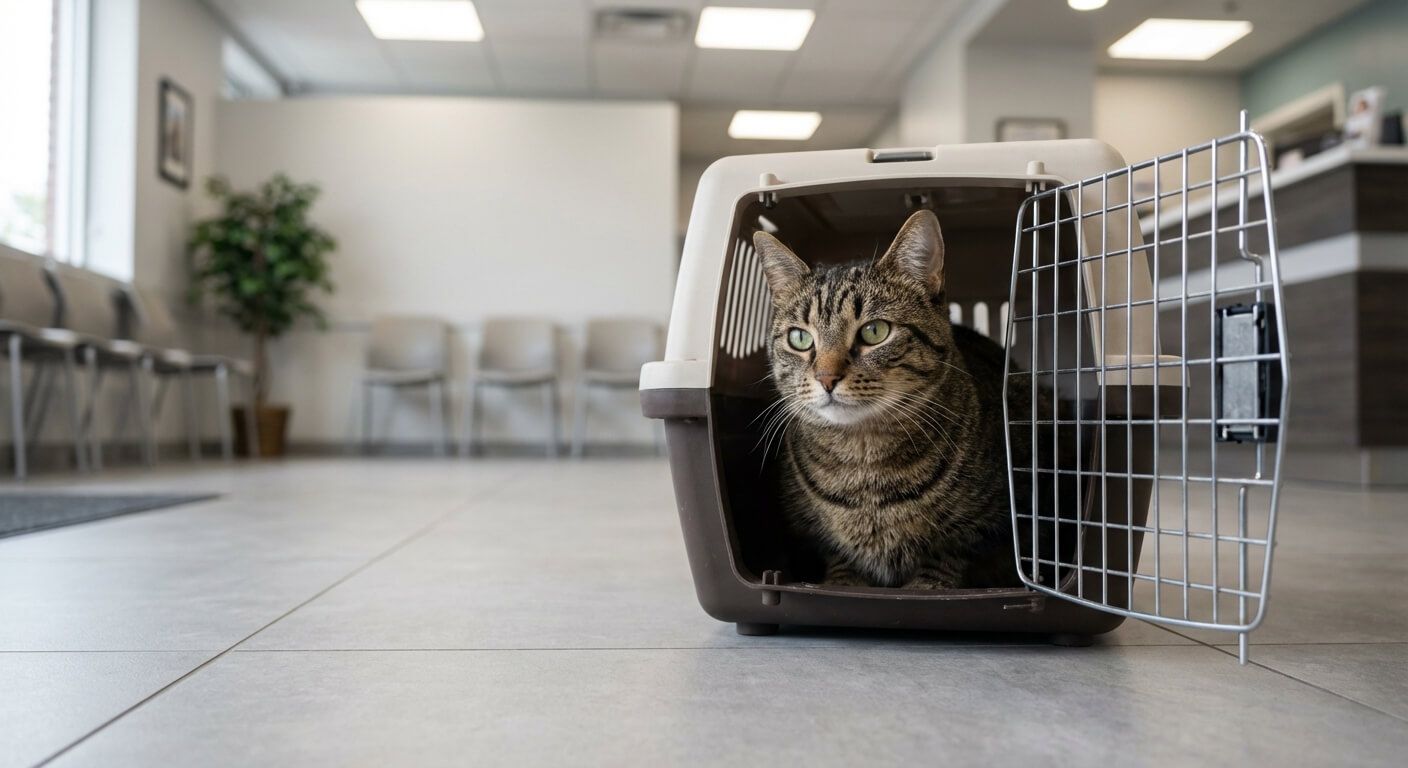
This question comes up almost every time I talk to a veterinary practice. “Should we start with SEO or PPC?” I can see why practice owners are confused about this (see below). Some marketing firms say that Veterinary Clinic Google Ads is the “immediate solution,” while others say that SEO is the “long-term solution.” At the same time, you’re trying to figure out which one will actually bring you new customers next month. The truth is that both can work for veterinary clinics. There are, however, big differences between how they work, when they work, and why they work. I’ve been in charge of PPC and SEO for a huge number of veterinary clinics. One-person businesses that spent $1,500 a month on PPC got 25 new clients every month. There are also vet offices that rank #1 for “vet near me” and get more than 40 new clients a month from organic search. But I’ve also seen businesses waste $50,000 on SEO that didn’t work. And businesses waste $4,000 a month on PPC with bad results. That which you choose doesn’t make a difference. It’s knowing what each one does, how long it takes for them to work, and which one makes the most sense for you right now. Let me show you how long each method will really take, how much it will cost, and what results you can expect. Veterinary PPC: The Sprint to New Clients When I set up PPC campaigns for veterinary practices, we typically see phone calls within the first week. Booked appointments within the first two weeks. New clients walking through the door within the first month. It’s not magic. It’s just how paid advertising works. You pay Google to show your ads when people search for “vet near me.” They click, call, and then book. Typical PPC Timeline: Week 1st: Campaigns go live, initial data starts coming in Week 2-4th : Optimization based on search terms and conversion data Month 2nd: Performance stabilizes, ROI becomes predictable Month 3+: Scaling and advanced optimization I had one client who launched PPC on a Tuesday. By Friday, they had 8 phone calls from Google Ads. By the end of the first month, they had 22 new clients from a $1,800 spend. But here’s what’s important to understand: PPC results are only as fast as your ability to optimize the campaigns. Bad PPC can waste money just as quickly as good PPC can generate leads. What Fast Results Actually Look Like: Good PPC performance: 15-30 new clients per month from $1,500-3,000 spend within 60 days. Average PPC performance: 8-15 new clients per month from the same spend within 90 days. Bad PPC performance: 3-8 new clients per month, high cost per conversion, money wasted on irrelevant clicks. The difference usually comes down to campaign structure, keyword selection, and landing page optimization. Get these right, and Veterinary PPC can transform your practice quickly. Get them wrong, and you’ll wonder why everyone says PPC is expensive. SEO: The Marathon to Market Dominance SEO works completely differently. Instead of paying for each click, you’re investing in your website’s ability to rank organically when people search for veterinary services. The upside? Once you rank well, those clicks are “free.” A practice ranking #1 for “vet near me” in their city can get 100+ new clients per month without paying for ads. The downside? It takes time. A lot of time. Realistic months of SEO Timeline: 1st – 3rd: Technical optimization, content creation, citation building 4th – 6th: Minor ranking improvements, some increase in organic traffic 6th – 12th: Meaningful ranking improvements, noticeable increase in calls Month 12+: Strong rankings, significant organic lead flow This timeline assumes you’re doing SEO right. Many agencies promise faster results, but they’re either lying or using tactics that can hurt you long-term. I had one client who hired an SEO agency that promised first-page rankings in 60 days. Two years later, they were still on page 3 for their main keywords. Why? Because the agency was focused on technical SEO and “authority building” instead of what actually moves the needle for local businesses. The Real Cost Comparison Here’s where things get interesting. Most practices think PPC is more expensive than SEO. That’s not necessarily true when you factor in opportunity cost and timeline. Veterinary PPC Costs (Ongoing): Solo practice: $1,000-2,500/month Multi-doctor practice: $2,000-5,000/month Plus management fees if you hire an agency SEO Costs (Front-loaded): Good SEO agency: $2,000-5,000/month for 6-12 months Plus website optimization, content creation, ongoing maintenance Let’s do the math on a solo practice: PPC over 12 months: $1,500/month × 12 = $18,000 Potential results: 20 new clients/month × 12 = 240 new clients SEO over 12 months: $3,000/month × 12 = $36,000 Potential results: Minimal for first 6 months, maybe 10-15 new clients/month by month 12 Now, here’s where SEO advocates will jump in: “But SEO keeps working after you stop paying!” And they’re right. If you rank well organically, you can reduce or eliminate your SEO spend and still get leads. But you have to get there first. And that takes time and money with no guarantee of results. What “Faster” Actually Means for Your Practice When practice owners ask about faster results, they’re usually asking one of two questions: “I need more clients next month to pay the bills.” This is a cash flow problem, and PPC is the answer. SEO won’t help you make payroll in 30 days. “I want to build long-term growth for my practice.” This is a strategic growth question, and the answer might be SEO, PPC, or both. The problem is that most practices need both short-term cash flow and long-term growth. That’s why the PPC vs. SEO question is usually the wrong question. The right question is: “How do I get clients now while building for the future?” Why Most Veterinary SEO Fails Before you get excited about long-term SEO results, you need to understand why most veterinary SEO efforts fail. Problem #1: Wrong focus. Most SEO agencies focus on generic veterinary keywords instead of local search terms. Ranking for “veterinary care” doesn’t help if you’re in Kansas City and the traffic is coming from Seattle. Problem #2: No understanding of veterinary search behavior. Pet owners don’t search for “comprehensive veterinary services.” They search for “vet near me” and “emergency vet.” Problem #3: Technical SEO obsession. Agencies spend months optimizing page speed and schema markup while ignoring the fact that your Google Business Profile isn’t optimized and you have 12 online reviews. Problem #4: Content for content’s sake. Blog posts about “10 Tips for Healthy Pets” don’t drive appointment bookings. Content needs to match search intent. I audited one practice that had spent $40,000 on SEO over 18 months. Their website was technically perfect. Fast load times, clean code, mobile-optimized. But they were still ranking on page 2 for their main keywords because the agency never worked on local citations or Google Business Profile optimization. Why Most Veterinary PPC Fails PPC fails for different reasons, but it fails just as often. Problem #1: Generic campaigns. Agencies set up veterinary PPC like they would for any local business. But pet owners search differently than people looking for restaurants or lawyers. Problem #2: Wrong keywords. Bidding on “veterinarian” instead of “vet near me.” Broad match keywords that trigger ads for vet jobs and vet schools. Problem #3: Terrible landing pages. Sending $8 clicks to your homepage instead of service-specific pages. No mobile optimization. No clear call-to-action. Problem #4: No call tracking. Not knowing which keywords and ads actually drive phone calls and appointments. I took over a PPC account that was spending $3,200 per month with terrible results. The previous agency had 400+ keywords in single ad groups, no negative keywords, and was sending all traffic to the homepage. We restructured everything and got the same results for $1,400 per month. The Integration Advantage Here’s what most agencies won’t tell you: PPC and SEO work better together than either one works alone. PPC data informs SEO strategy. When you see which keywords convert best in PPC, you know which terms to target for SEO. Instead of guessing what people search for, you have actual conversion data. SEO supports PPC performance. Strong organic rankings improve your Quality Score in Google Ads. Having multiple listings on page one (paid and organic) increases overall click-through rates. Brand recognition compounds results. When people see your practice in both paid and organic results, they’re more likely to choose you over competitors. I have clients who dominate their local market by running both strategies simultaneously. They use PPC for immediate lead generation while building SEO for long-term market control. Market Competition Changes Everything Your local market dramatically affects which strategy makes more sense. High-competition markets: If you’re in a major metro with lots of corporate chains bidding aggressively, both PPC and SEO will be more expensive and take longer to work. Low-competition markets: In smaller cities with less competition, both strategies can work faster and cheaper. But there’s also less search volume overall. Corporate-dominated markets: If your area is dominated by VCA, BluePearl, or other chains with unlimited marketing budgets, you need to be strategic. They can outspend you on PPC and out-content you on SEO. The solution is usually niche-focused strategies. Instead of competing for “vet near me,” focus on “emergency vet,” “cat dental cleaning,” or “senior dog care.” When Veterinary PPC Makes More Sense You need clients in the next 30-60 days. Cash flow problems, new practice launch, or significant capacity to handle new clients immediately. You have a specific service advantage. If you’re the only practice in your area offering laser therapy, dental surgery, or exotic animal care, PPC can capture that specific demand immediately. Your website already converts well. If people call when they visit your website, PPC can drive more traffic to what’s already working. You have the capacity for new clients. No point driving leads if you can’t handle them. PPC can be turned up or down based on your capacity. You want measurable results. With proper tracking, Veterinary PPC gives you exact ROI numbers. You can see exactly what you spent and what you got for it. When SEO Makes More Sense You’re in a stable financial position. SEO requires patience and upfront investment without immediate payback. You have strong competition for PPC. If the cost per click is $15+ for your main keywords, SEO might be more cost-effective long-term. You want to reduce dependency on paid advertising. Once you rank well organically, you’re not at the mercy of Google’s ad pricing changes. You have interesting content opportunities. If you specialize in exotic animals, do complex surgeries, or have unique expertise, content marketing can establish authority. You’re planning for long-term growth. SEO builds assets that compound over time. The Hybrid Strategy That Works For most veterinary practices, the answer isn’t PPC or SEO. It’s PPC first, then SEO, then optimization of both. Phase 1 (Month 1-3): Veterinary PPC Foundation Launch Google Ads campaigns for immediate lead generation. Focus on general veterinary and emergency keywords. Use CallRail for call tracking. Optimize landing pages for conversion. Phase 2 (Month 4-6): SEO Basics Optimize Google Business Profile. Build local citations. Create service-specific pages on your website. Start basic content creation. Phase 3 (Month 7-12): Integration Use PPC keyword data to inform SEO strategy. Scale successful PPC campaigns. Expand SEO to broader keyword targets. Test PPC budget reduction as organic rankings improve. Phase 4 (Year 2+): Optimization Balance PPC and SEO based on performance. Reduce PPC spend on keywords where you rank organically. Increase PPC spend on high-value keywords where SEO is difficult. This approach gives you immediate results from Veterinary PPC while building long-term assets through SEO. Real Client Example: The Complete Picture Veterinary PPC Let me show you how this played out for one client per month: 1st: Launched PPC campaigns, $1,800/month budget 2nd: 18 new clients from PPC, $100 cost per client 3rd: 25 new clients from PPC, $72 cost per client 4th: Started SEO work, maintained PPC 8th: 22 new clients from PPC, 3 from organic search 12th: 18 new clients from PPC, 12 from organic search 18th: 15 new clients from PPC, 20 from organic search By month 18, they were getting 35 new clients per month for a total marketing spend of $2,200 ($1,800 PPC + $400 SEO maintenance). Their blended cost per client was $63. Without PPC, they would have gotten maybe 5-8 clients from organic search by month 18. Without SEO, they would have been completely dependent on paid advertising with no long-term assets. The Speed vs. Sustainability Trade-off PPC gives you speed but requires ongoing investment. SEO gives you sustainability but requires patience and upfront investment. Most successful practices need both. They use PPC to solve immediate needs and fund longer-term SEO investments. But if you can only do one, choose based on your situation: Choose PPC if: You need clients now, have a budget for ongoing spend, want measurable results, have capacity for immediate growth. Choose SEO if: You’re financially stable, can wait 6-12 months for results, want to reduce advertising dependency, have interesting content opportunities. Measuring Real Results Whether you choose PPC, SEO, or both, you need to track the right metrics. PPC Metrics That Matter: Cost per phone call Phone call to appointment conversion rate Cost per new client Return on ad spend Client lifetime value SEO Metrics That Matter: Organic traffic growth Ranking positions for target keywords Phone calls from organic search New clients from organic traffic Overall website conversion rate Vanity Metrics to Ignore: Website traffic (unless it converts) Keyword rankings (unless they drive calls) Social media engagement Time on site The only metric that really matters is new clients and the cost to acquire them. Common Timeline Mistakes Expecting SEO results in 60 days. It doesn’t work that way. Anyone promising fast SEO results is either lying or using tactics that can hurt you. Giving up on PPC after one month. PPC campaigns need time to optimize. The first month is data collection, not final results. Not planning for long-term strategy. PPC without any long-term plan means you’ll be paying for ads forever. Switching strategies too quickly. Both PPC and SEO require consistency. Jumping between strategies wastes money and time. Your Veterinary PPC Next Steps If you need clients in the next 60 days: Start with PPC. Focus on general veterinary and emergency campaigns. Set up proper tracking. Optimize landing pages. Plan to add SEO in 3-6 months. If you can wait 6-12 months for results: Consider starting with SEO. Focus on local search optimization. Build content around your services. Add PPC when you’re ready to scale. If you want the best of both: Start with a small PPC budget to generate immediate leads. Use that revenue to fund SEO efforts. Scale both strategies as results improve. The key is matching your strategy to your timeline and financial situation. Don’t let agencies push you toward strategies that don’t fit your needs. Remember: the fastest strategy is the one that actually works for your specific situation. PPC can give you clients next month if done right. SEO can give you market dominance next year if done right. But both can waste your money if done wrong. The question isn’t which one is faster in theory. It’s which one will get you the results you need, when you need them, within your budget and timeline. Want to know which strategy makes sense for your practice right now? Contact TailWerks for a free consultation. We’ll analyze your current situation and recommend the approach that will get you results fastest.